
Can Worms Eat Banana Peels? The Complete Guide to Feeding Bananas
Can Worms Eat Banana Peels? The Complete Guide to Feeding Bananas
TL;DR: Yes, worms LOVE banana peels! They're soft, moisture-rich, and nutrient-dense. Best practices: chop into small pieces, bury under bedding, freeze first to speed decomposition, and limit to 10-15% of total food. Watch for fruit flies and remove any uneaten pieces after a week.
The Short Answer: Absolutely Yes!
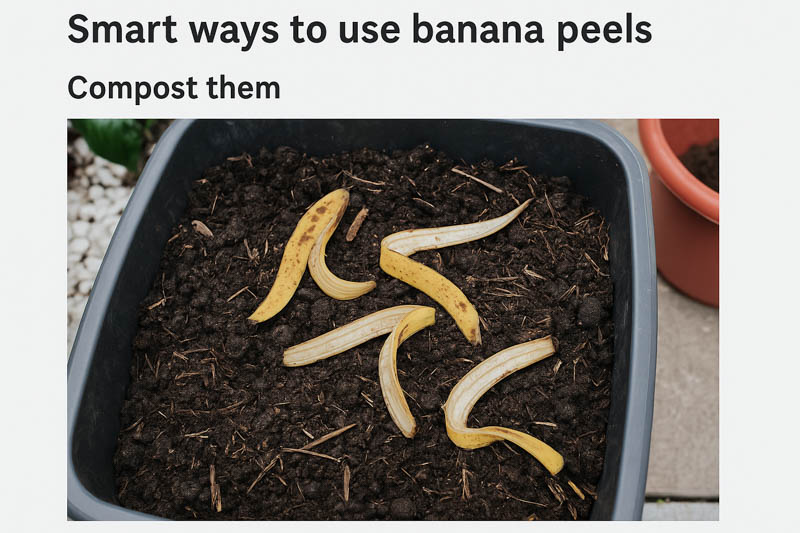
Banana peels are one of the best foods you can feed your worms. They're soft, easy to digest, high in potassium and other nutrients, and worms absolutely devour them. In fact, many experienced vermicomposters consider banana peels a "premium" worm food that produces exceptional castings.
The question isn't whether worms can eat banana peels—it's how to feed them properly to maximize benefits while avoiding common problems. Banana peels have unique characteristics that make them both excellent worm food and potentially problematic if mishandled. Understanding these characteristics allows you to leverage banana peels' benefits while sidestepping their pitfalls.
Why Worms Love Banana Peels
Nutritional Benefits:
- High in potassium (great for worm health and reproduction)
- Soft texture is easy to consume, even for young worms
- Moisture-rich (about 90% water), helping maintain bin hydration
- Contains beneficial minerals including manganese, magnesium, and copper
- Breaks down quickly compared to many other food scraps
- Rich in sugars that fuel beneficial microorganisms
For Your Garden:
- Banana-enriched castings are especially high in potassium
- Perfect for flowering and fruiting plants (tomatoes, peppers, roses)
- Helps with root development and overall plant structure
- Improves overall plant vigor and disease resistance
- Enhances fruit quality and flavor in edible crops
The potassium content of banana peels is particularly valuable. While most compost provides good nitrogen and phosphorus, potassium is often deficient. Banana peels address this gap, creating castings with balanced NPK ratios that support all phases of plant growth. Plants fed with banana-enriched castings show improved flowering, stronger stems, and better stress tolerance.
The Science Behind Banana Decomposition
Understanding how banana peels break down helps you feed them more effectively. Banana peels are composed primarily of cellulose, hemicellulose, and pectin—complex carbohydrates that require microbial action to decompose. Worms don't directly digest these compounds; instead, they consume the softened material after bacteria and fungi have begun breaking it down.
This is why preparation methods matter. Freezing, chopping, and other pre-treatments accelerate microbial colonization by increasing surface area and breaking down cell walls. A whole banana peel might take 3-4 weeks to decompose, while chopped and frozen pieces can disappear in 5-7 days. The faster decomposition means less time for problems like fruit flies and odors to develop.
The sugar content in banana peels fuels rapid microbial growth. This is beneficial in moderate amounts but can create problems if you overfeed. Excessive sugars lead to bacterial blooms that consume oxygen, creating anaerobic conditions. This is why the 10-15% guideline exists—it keeps sugar levels within the range that beneficial aerobic organisms can handle.
The Right Way to Feed Banana Peels
Step 1: Preparation
Chop Into Small Pieces:
- Cut peels into 1-2 inch pieces with kitchen scissors or knife
- Smaller pieces = faster decomposition and less chance of problems
- More surface area for worms and microbes to access
- Prevents large chunks from going anaerobic in the center
- Makes burying easier and more effective
Optional But Recommended - Freeze First:
- Freezing breaks down cell walls, making peels mushy
- Speeds up decomposition by 50% or more
- Reduces fruit fly attraction significantly
- Thaw before adding to bin (frozen peels can cold-shock worms)
- Can freeze for months, creating a reserve for when fresh peels aren't available
Remove Stickers and Rinse:
- Produce stickers are plastic and won't decompose
- Stickers can clog worm digestive systems
- Rinse peels to remove any surface residues
- Organic peels need less rinsing but still benefit from it
Step 2: Application
Bury Under Bedding:
- Never leave banana peels on the surface (fruit fly magnet!)
- Dig a small hole or pocket in bedding
- Place pieces in hole
- Cover completely with 2-3 inches of bedding
- Pat bedding down gently to eliminate air pockets
- This single step prevents 90% of banana peel problems
Rotate Feeding Locations:
- Don't always feed in the same spot
- Spread peels throughout bin in different locations each time
- Encourages worms to move around and explore
- Prevents localized overfeeding and hot spots
- Distributes nutrients evenly through finished castings
Mix With Other Foods:
- Combine banana peels with other scraps in each feeding
- Balance soft, moist peels with dry materials like shredded paper
- Add coffee grounds to balance pH (bananas are slightly acidic)
- Include vegetable scraps for nutritional diversity
Step 3: Quantity Guidelines
How Much is Too Much?
- Banana peels should be 10-15% of total food by volume
- For 1 lb of worms: 2-3 banana peels per week maximum
- For 5 lbs of worms: 1-2 bananas worth of peels daily
- Always mix with other food types—never feed only bananas
- Reduce amounts in summer when decomposition is faster
These guidelines assume chopped peels. Whole peels count as double the volume since they decompose more slowly. If you're feeding whole peels (not recommended), cut these amounts in half. The goal is maintaining balanced nutrition and preventing the sugar overload that causes problems.
Common Banana Peel Mistakes (And How to Avoid Them)
Mistake #1: Leaving Peels on Surface
Problem: Attracts fruit flies like crazy! Fruit flies can lay hundreds of eggs on exposed banana peels, creating an infestation within days.
Solution: Always bury under at least 2 inches of bedding. In summer or if you've had fruit fly problems, bury 3-4 inches deep. Add a layer of damp newspaper over the bedding surface for extra protection.
Mistake #2: Adding Whole Peels
Problem: Takes weeks to decompose, can go anaerobic in the center, creates hot spots, and makes harvesting difficult (you'll find intact peels in finished castings).
Solution: Always chop into small pieces before adding. Use kitchen scissors for quick work—you can chop a peel in 10 seconds. The time investment pays off in faster decomposition and fewer problems.
Mistake #3: Feeding Too Many at Once
Problem: Creates hot spots from rapid decomposition, attracts pests, causes odors, can acidify the bin, and overwhelms worms' processing capacity.
Solution: Spread out over time, mixing with other foods. If you have a large quantity of banana peels, freeze extras and feed them gradually over weeks rather than all at once.
Mistake #4: Not Removing Stickers
Problem: Produce stickers don't decompose—they're plastic. They'll show up in finished castings, potentially clog worm digestive systems, and create microplastic pollution in your garden.
Solution: Always remove stickers first! Make it a habit when you eat the banana. Keep a small bowl near your worm bin for collecting peels, and remove stickers as you add each peel.
Mistake #5: Ignoring Pesticide Residue
Problem: Conventional bananas may have pesticide residue on peels. While bananas are one of the "cleaner" conventional fruits (thick peel protects the fruit), the peel itself can carry residues that stress beneficial microorganisms.
Solution: Rinse peels thoroughly under running water, or use organic bananas. If you feed large quantities of banana peels, organic is worth the extra cost. For occasional feeding, rinsing conventional peels is sufficient.
Mistake #6: Feeding Moldy Peels
Problem: While some molds are harmless, others produce mycotoxins that can harm worms and beneficial microorganisms. Moldy peels also indicate the banana was overripe, which means higher sugar content and faster decomposition (more likely to cause problems).
Solution: Feed peels when they're still yellow to lightly spotted. If peels are heavily spotted or moldy, compost them in a traditional compost pile instead of the worm bin. Worms prefer fresh to slightly aged material.
Organic vs. Conventional Bananas
Conventional Bananas:
- May have pesticide residue (though less than many other fruits)
- Rinse thoroughly before adding to bin
- Still safe for worms in moderate amounts
- Pesticides break down over time through microbial action
- More affordable, making banana feeding economically viable
- The thick peel protects the fruit, so residues are mainly surface-level
Organic Bananas:
- No synthetic pesticide concerns
- Can add without rinsing (though rinsing still removes dirt and natural residues)
- Slightly more expensive but worth it for heavy banana feeders
- Best choice if feeding large quantities regularly
- Support sustainable farming practices
- Often have better flavor, meaning you'll eat more bananas and generate more peels!
The Bottom Line: For most home vermicomposters feeding 2-4 banana peels weekly, conventional bananas with thorough rinsing are fine. If you're feeding 10+ peels weekly or are particularly concerned about pesticides, organic is worth the investment.
Maximizing Banana Peel Benefits
Speed Up Decomposition:
-
Freeze-Thaw Method: Freeze peels for at least 24 hours, then thaw completely before adding. The ice crystals rupture cell walls, creating a mushy texture that decomposes in days instead of weeks.
-
Puree Method: Blend peels with water in a blender, creating a slurry. Pour into holes in bedding and cover. This is the fastest decomposition method but can create moisture problems if you add too much.
-
Microwave Method: Microwave peels for 30-45 seconds to break down structure. Let cool completely before adding (hot peels can harm worms). This method is quick but uses energy.
-
Fermentation Method: Let peels sit in a sealed container for 2-3 days before adding. Beneficial bacteria begin breaking down the material, jump-starting decomposition. Don't ferment longer than 3 days or you'll create anaerobic conditions.
-
Boiling Method: Boil peels for 5 minutes, then cool and chop. This breaks down tough fibers and kills any surface pathogens. The resulting material is soft and decomposes rapidly.
Combine with Other Foods:
Best banana peel companions:
- Coffee grounds: Balance pH and add nitrogen
- Shredded paper: Absorbs excess moisture from banana peels
- Vegetable scraps: Provides nutritional variety
- Crushed eggshells: Adds calcium and helps maintain pH
- Dry leaves: Add carbon and structure
- Melon rinds: Another high-potassium food that pairs well
Troubleshooting Banana Peel Problems
Problem: Fruit Flies Everywhere!
Solutions:
- Bury peels deeper (3-4 inches minimum)
- Freeze peels before adding (kills any eggs already present)
- Add more dry bedding on top of bin
- Place a piece of damp newspaper over bedding surface
- Set up fruit fly traps nearby (apple cider vinegar + dish soap)
- Reduce feeding frequency until fly population is controlled
- Ensure bin has proper moisture—flies prefer drier conditions
- Check that all peels are completely buried with no exposed edges
Problem: Peels Not Disappearing
Possible Causes:
- Bin too cold (worms sluggish below 55°F)
- Pieces too large (should be 1-2 inches maximum)
- Too many peels at once (overwhelming worm capacity)
- Bin too dry (worms can't process dry material)
- Insufficient microbial activity (new bin or recent problems)
Solutions:
- Wait longer (can take 1-2 weeks even under good conditions)
- Remove and re-chop into smaller pieces
- Add moisture if bedding feels dry
- Check bin temperature and move to warmer location if needed
- Add a handful of finished compost to introduce beneficial microbes
- Reduce feeding amounts until existing food is processed
Problem: Bad Smell
Causes:
- Anaerobic conditions from overfeeding
- Peels buried too deep in wet bedding without air access
- Not enough air circulation in bin
- Too many peels creating a sugar overload
- Bin too wet overall
Solutions:
- Stop feeding for 1-2 weeks to let bin recover
- Add dry bedding (shredded cardboard or newspaper) and mix well
- Improve ventilation by adding more holes or propping lid open slightly
- Remove any rotting material you can find
- Turn bedding gently to incorporate oxygen
- Add crushed eggshells or lime to neutralize acidity
- Consider splitting bin if it's overcrowded
Problem: Peels Attracting Ants
Causes:
- Peels not buried deeply enough
- Bin too dry (ants prefer dry conditions)
- Sugar content attracting ants from outside
Solutions:
- Bury peels deeper and ensure complete coverage
- Increase bin moisture to deter ants
- Create a moat around bin legs using containers of water
- Apply food-grade diatomaceous earth around bin exterior
- Move bin to different location away from ant trails
Banana Peel FAQs
Q: Can I add the whole banana if it's overripe? A: Yes! Overripe bananas are even better - they're softer, sweeter, and decompose faster. Chop them up and bury well. The fruit itself is even more attractive to fruit flies than peels, so burial is critical.
Q: What about banana stems? A: Yes, but they're tougher and take longer to decompose. Chop into small pieces (1/2 inch or less) and expect them to take 2-3 weeks to break down. Stems are high in fiber, which is beneficial but slow to process.
Q: Will banana peels attract roaches? A: Only if left on the surface or not buried deeply enough. Properly buried peels won't attract roaches. If you have roach problems, bury peels 4 inches deep and ensure your bin has no gaps or cracks where roaches can enter.
Q: Can I add too many banana peels? A: Absolutely yes! Limit to 10-15% of total food. Too many can create hot spots, attract pests, acidify the bin, and overwhelm worms' processing capacity. More isn't better with banana peels.
Q: Do I need to remove the inner white strings? A: No, worms will eat those too! The strings are just fiber and decompose along with the rest of the peel. No need for extra prep work.
Q: How long until banana peels are gone? A: Typically 5-10 days for chopped pieces, 2-3 weeks for whole peels. Frozen pieces decompose faster (3-7 days). Temperature, moisture, and worm population all affect decomposition speed.
Q: Can I feed banana peels to all worm species? A: Yes! Red wigglers, African Night Crawlers, and other composting worms all love banana peels. Even earthworms in garden beds will consume banana peels, though more slowly than composting species.
Q: Will banana peels change the pH of my bin? A: Slightly. Bananas are mildly acidic (pH 5.0-5.5). In moderate amounts, this isn't a problem. If you feed large quantities, monitor pH monthly and add crushed eggshells if it drops below 6.0.
Q: Can I feed banana peels from banana bread or cooked bananas? A: Yes, but with caution. Cooked banana peels are softer and decompose faster, but they may contain added ingredients (sugar, butter, etc.) that can cause problems. Feed sparingly and watch for issues.
Advanced Banana Peel Techniques
Creating Banana Peel Worm Tea
Banana peels make excellent worm tea with extra potassium:
- Fill a mesh bag with 1 cup of banana-enriched castings
- Steep in 1 gallon of non-chlorinated water for 24-48 hours
- Aerate with aquarium pump if possible
- Strain and use as foliar spray or soil drench
- The resulting tea is especially beneficial for flowering and fruiting plants
Banana Peel Bokashi Pre-Composting
For maximum benefits, pre-compost banana peels using bokashi:
- Layer chopped peels with bokashi bran in sealed container
- Let ferment for 2 weeks
- Add fermented peels to worm bin
- Decomposition is extremely rapid (2-4 days)
- Creates even more beneficial microorganisms
Banana Peel Vermicompost Tea Bags
Create "tea bags" for easier feeding:
- Place chopped banana peels in small mesh bags or old pantyhose
- Bury bags in worm bin
- After 1-2 weeks, remove bags
- Empty decomposed contents or compost bags entirely
- This method makes monitoring decomposition easier
The Bottom Line
Banana peels are fantastic worm food when fed properly. Chop them up, bury them well, don't overfeed, and your worms will thrive. The resulting castings will be especially rich in potassium - perfect for your flowering and fruiting plants!
The key is respecting both the benefits and limitations of banana peels. They're not a complete food—worms need variety. They're not problem-free—proper burial and quantity control are essential. But when fed correctly, banana peels produce some of the highest-quality castings available, with potassium levels that rival commercial fertilizers.
Quick Reference Card:
✓ Chop into 1-2 inch pieces ✓ Remove stickers and rinse ✓ Freeze first (optional but highly recommended) ✓ Bury under 2-3 inches of bedding ✓ Limit to 10-15% of total food ✓ Rotate feeding locations throughout bin ✓ Mix with other food types for balance ✓ Check after 1 week and remove if uneaten ✓ Watch for fruit flies and adjust burial depth if needed ✓ Consider organic bananas for heavy feeding
Conclusion
The question "Can worms eat banana peels?" has a resounding yes answer—with the caveat that proper feeding techniques matter. Banana peels represent one of the most valuable food sources for vermicomposting, combining excellent nutrition with ready availability and ease of preparation.
By following the guidelines in this article, you'll transform a common kitchen waste item into premium worm food that produces exceptional castings. Your worms will be healthier, your castings will be richer in potassium, and your garden will show the benefits in improved flowering, fruiting, and overall plant vigor.
Start feeding banana peels today and experience the difference in your vermicomposting results. Just remember: chop, bury, and moderate amounts. These three principles will keep your worms happy and your bin problem-free.
Ready to optimize your worm feeding program? Sunshine Worm Farm offers premium composting worms, complete bin systems, and expert advice for successful vermicomposting. Our Florida-adapted worms process banana peels and other kitchen scraps efficiently, producing premium castings for your garden. Browse our selection and join thousands of successful vermicomposters who trust Sunshine Worm Farm for quality and results.
Happy composting!
Found this helpful? Share it with fellow gardeners!